ROCK BOTTOM rum club
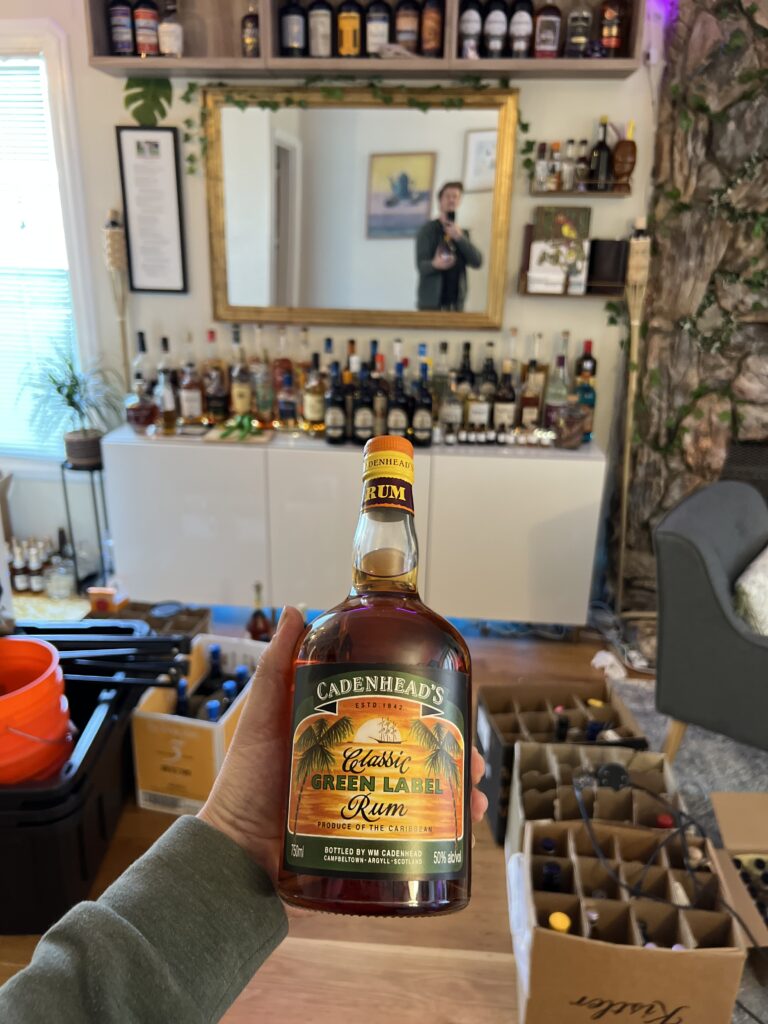
The Rock Bottom Rum Club was started as a passion project by Max Stanton to expose his friends and family to the often overlooked and misperceived world of rum!
Most Americans tend to associate rum with college parties, Bacardi, Captain Morgan, and on better occasions, tiki drinks. I wanted to change this and show people that rum is the most dynamic spirit in the world, with far more complex flavors possible than whiskey and less obstructions and regulations to hinder the process.
The differences in flavor from a more traditional, Bajan-style molasses-based rum compared to that of a grassy, vegetal fresh cane juice-based rum are night and day, like whiskey to gin, and the vastly different regional styles of the Caribbean nations (and the rest of the world) shine through strongly like wine terroir.
Every other month we will explore a handful of selected rums, concentrating on a particular region and/or style, sourced from across the country and the world, complete with tasting notes and history.
POT STILL vs COLUMN STILL
The type of “still” used to make rum has a large influence on the flavor, with the more traditional “pot still” imparting heavier and more intense flavors based on it’s construction and method of distillation.
The more modern “column still” yields dramatically more efficient spirit, but with a milder, less aggressive taste. Most rum you are already familiar with is either 100% column, or a blend of both pot and column.
100% pot still rums tend to be far more fun and funky with bolder notes, but it is common to fill out the rest of the rum with the softer and cheaper column rum.
More expensive expressions of rum often display a single still (rather than a blend), many of them with names and illustrious histories more than 200 years old, such as the Diamond Distillery’s “Port Mourant” still, which we will explore on the next page with our first rum!
Diamond distillery, guyana
Golden devil K&L selected diamond distillery
“Port Mourant” 13 year rum
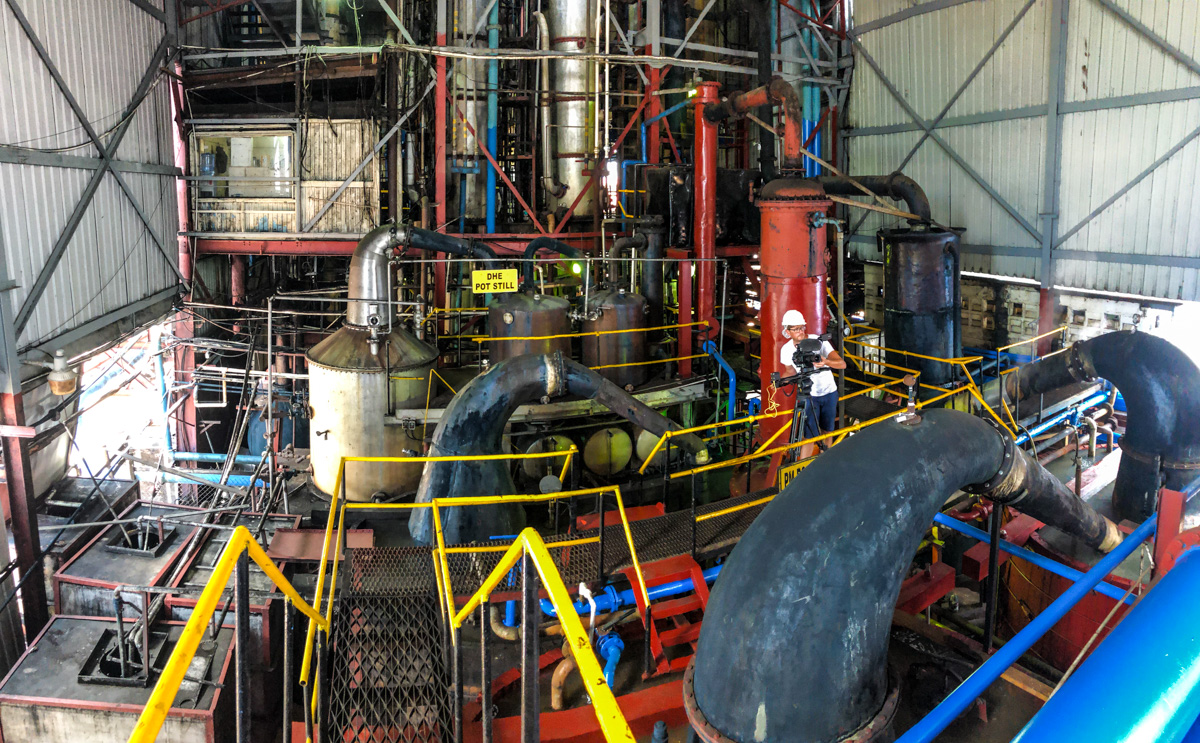
Despite a long history of sugar cane production and rum, Guyana now only has one single operating distillery and distiller left, Demerera Distillers Limited and their Diamond Distillery. Most famous for their popular El Dorado brand, DDL has managed to consolidate many of the most well known and historical stills from closures across the country, continuing the 200+ year old traditions and characters of these historic stills.
Out of all of Diamond’s stills, the “Port Mourant” is by far the most famous, namely because of its incredibly interesting construction out of… wood! 99% of all pot stills are made from copper, but far in the South American jungle, copper was too inaccessible and expensive, so they eventually found the local tropical “greenwood tree”, an oil rich superwood, was able to handle the intense pressures and temperatures of distilling.
The unique construction of this double retort style pot still imparts a huge number of esoteric flavors, including the unmistakably oily green notes from the wood. The Versailles still, another historic example, is also greenwood constructed but a column style, although both impart somewhat similar flavors. There is also a third wooden single pot style still.
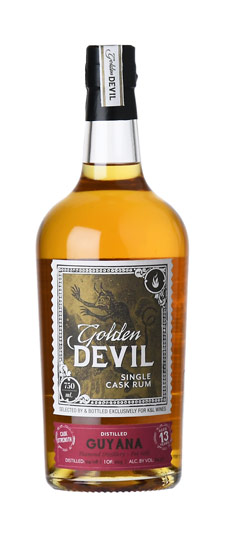
This particular bottle is an expression selected by Golden Devil, aka Kill Devil, and independent bottler run by Hunter Laing. The Golden Devil series is specifically for K&L Wines and barrel selected. Like many of the higher end aged rums imported today, this rum spent some of its life in the tropics aging in Guyana and the rest in the UK, referred to as continental aging.
On The Nose:
Oak, butterscotch, brown sugar, marzipan, and a slight whiff of model airplane glue, reminding you this is a Port Mourant and they come off the still at more than 85%; fairly high octane until it breathes or gets some water.
ON THE FRONT:
Instant scotch, like, you could probably trick people into thinking this was a high proof, barrel strength aged Highland scotch. Macallan even. It’s subtle enough that the oak gets soaked in a bunch, yet the high alcohol really drives it home, at times aggressively.
Middle:
We enter more stone fruit, dried apricot and some walnuts, still more oak, and at the end we start to feel the astringency.
Finish:
Dry, decently astringent signifying the oak barrels were fairly new ex-bourbon, if not first fill, further reflected with the surprisingly light color; no toasted sugar lined barrels here. It lingers with toasted macadamia and fresh roasted wood.
Conclusion:
This is an incredibly unique expression of the famous Port Mourant double wooden pot still. Typically full of more industrial notes and often rougher flavors, this selection is incredibly subtle and smooth, taking on far more of a Highland scotch character from the ex-bourbon barrels than you would normally get from this spirit. Yet, it’s instantly recognizable